Six Signs It May Be Time to Consider Executive Coaching
Very few leaders wake up one morning and decide they need a coach. It's usually something that builds quietly over months or possibly a feeling that the way you've always worked is no longer quite enough for the role you're in now. Recognising that is a sign of good judgement rather than weakness, and there's plenty that can help, from a trusted peer to a good mentor to a candid conversation with your CEO or board. Coaching is one of the options, and these are the six signs that may help you decide if it might be worth exploring.
Your career feels as though it's stalled
You've delivered results, earned respect and carried more than your fair share, yet the next step never seems to arrive. In my experience, when progress plateaus it's rarely down to capability. More often it's a matter of perspective, positioning or a habit that served you well earlier in your career and now holds you back without you noticing. Feedback from people you trust can shed some light on this, and coaching gives you dedicated time to look at it properly and shape a plan for moving forward.
You're overwhelmed by the weight of responsibility
If your days are filled with decisions only you seem able to make, and you're finishing the week more depleted than accomplished, something probably needs to shift. Sometimes the answer is a better team structure or a change in priorities, and sometimes it's about how you delegate and how you handle pressure. Coaching helps you work out which it is, so your energy goes into the work that genuinely moves the business forward.
Decisions are taking longer than they should
Perhaps you find yourself going back over choices you'd once have made with ease, or holding off because the stakes feel so high. A thinking partner who understands commercial pressure can help you test your reasoning, spot the assumptions you're making and reach a decision you're comfortable standing behind. Talking it through with a colleague can work well too, though it isn't always possible when the decision involves the people you work with.
Your team dynamics feel strained
Tension in a team can be subtle at first, showing up as guarded conversations, slower collaboration or a sense that people aren't quite saying what they mean. A mentor who's been through something similar can offer perspective, and coaching adds to that by helping you understand your own part in the dynamic, communicate with greater clarity and address conflict early, so people feel able to do their best work.
You're leading through significant change
Whether it's a restructure, a merger, a new market or a change in your own role, periods of transition ask a great deal of leaders, because you're expected to steady everyone else while making sense of it yourself. Good habits around rest and exercise help enormously, as do people around you who'll be honest with you. Coaching offers a space to plan how you'll bring people with you, manage the pace of change and keep morale up when it would be easy for it to slip.
You simply want more from your leadership and your life
Sometimes there's no crisis at all, just a sense that you're capable of more or that you'd like your work to feel more fulfilling. That's a perfectly good reason to invest in yourself, and many of the leaders I work with tell me they wish they'd started sooner. The benefits tend to reach well beyond the boardroom, into how you spend your time and energy outside of work too.
I work with leaders online which makes it much easier to fit meaningful support around a busy diary, and every conversation is shaped around your goals and your pace. If you recognise yourself in any of these signs, you don't have to work it out alone.
👉 Ready to explore executive coaching? Connect with Caroline for a personalised session today.

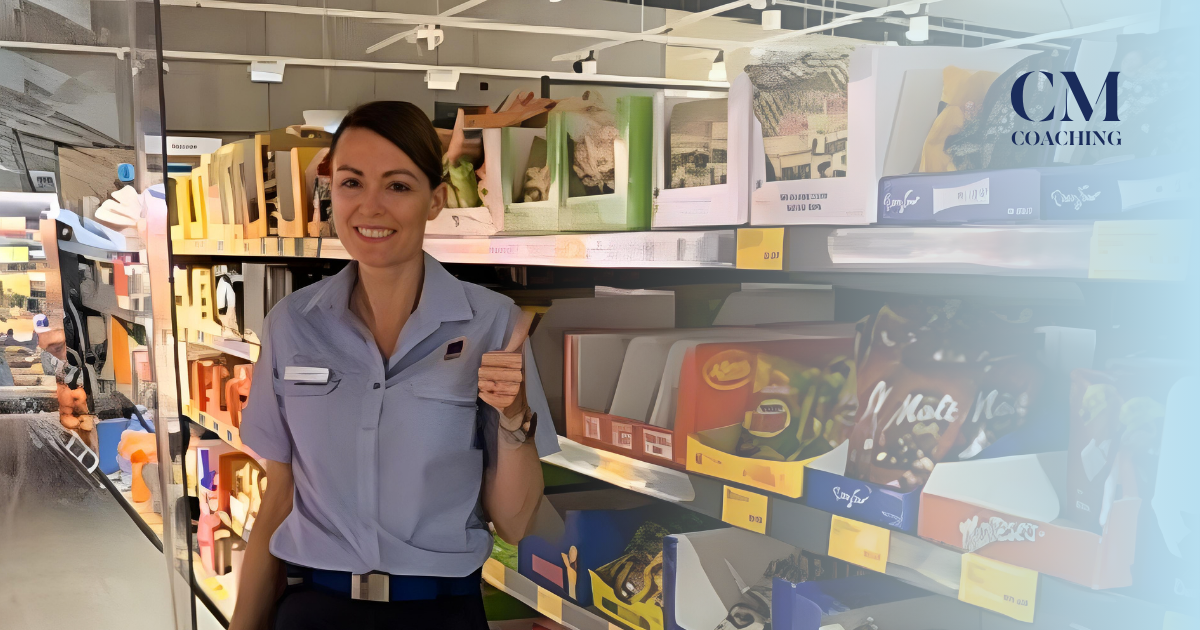
Caroline MacPhail is an executive coach and mentor. She spent 20 years at ALDI, including as Managing Director in Australia, where she led a $450m business and 850 people. She now works with senior commercial leaders on leading by design rather than by default.


I coach leaders at organisations including
Woolworths · Coles · Jaycar · Pet Circle · Lounge Lovers · Diebold Nixdorf
Better leadership starts with better thinking.
Gain instant insights into your leadership style with our complimentary Leadership Quiz.